Introduction
Suzanne Collins is a prominent American author, best known for her compelling and thought-provoking works in young adult fiction. Her writing often reflects themes of society, struggle, and resilience, making her an influential voice in contemporary literature. Collins gained immense popularity through her best-selling series, particularly ‘The Hunger Games,’ which has inspired a dedicated readership across various age groups.

The Journey Begins: My Early Inspirations
From a young age, my surroundings played an instrumental role in shaping my desire to tell stories. Growing up in a family that valued literature, I was enveloped by an array of books that beckoned my imagination. Classics, fairy tales, and contemporary novels served as windows into different worlds, each fuelling my sense of wonder and curiosity. As I delved into the pages of these tomes, I began to grasp the power of narratives—how they could evoke emotions, challenge perceptions, and inspire action.
Contributions to Young Adult Literature
In proposing a detailed examination of Collins’ contributions, I believe it is pivotal to acknowledge her influence in shaping the genre of Young Adult literature. Her narratives go beyond mere entertainment; they serve as commentaries on current societal struggles, encouraging young readers to perceive and question the world around them. As I reflect on my proposal, I find that Collins’ writing is not only a tale of survival but a call to action for a generation seeking change.
My early influences were not solely from the printed word; media also played a significant part in sparking my interest in storytelling. I vividly remember the thrill of watching animated films and gripping television series, which opened my eyes to visual storytelling. The way characters developed and plotlines unfolded fascinated me, providing a blueprint for how I could weave my tales. These experiences echoed in my mind as I daydreamed about weaving my fabric of stories, where I could explore themes of resilience, hope, and humanity.
Among my personal anecdotes, one stands out—the moment I penned my first short story at the age of nine. It was a tale about a brave little girl who ventured into the forest to save her lost dog. As I wrote, I felt an exhilarating sense of purpose. That small act of creation ignited my passion further, leading me to realize that writing was not merely a hobby, but a calling. My experiences taught me the value of observation, and I often found inspiration in the lives of my friends and family. Every story, every experience, became a piece of the larger narrative I longed to create, shaping my future aspirations as a storyteller committed to exploring the depths of human experience.

Crafting Powerful Narratives: Themes and Messages
In my journey as a storyteller, I have continually sought to explore profound themes that resonate deeply with readers of all ages. Central to my works, particularly the renowned Hunger Games series, is the theme of resilience. This theme captures the human spirit’s capacity to withstand adversity and emerge stronger in the face of oppression. The challenges my characters endure not only serve to propel the narrative forward but also invite readers to reflect on their own struggles and triumphs. Through depicting resilience, I encourage both young and adult audiences to embrace their personal journeys and cultivate a sense of hope.
Another crucial theme present in my writing is the complexities of power. The portrayal of authority, its challenges, and the implications of wielding it are intricately woven into my narratives. Power dynamics are multifaceted; they can liberate or oppress, empower or diminish. By examining these complexities, I aim to prompt critical thinking about the nature of power and its impact on society. The characters in The Hunger Games often find themselves navigating a morally ambiguous landscape, highlighting the struggles between personal ambition and ethical responsibility. This exploration invites readers to consider the real-world implications of power and the choices they must navigate in their own lives.
Moreover, moral dilemmas play a vital role in shaping my characters and narratives. They are often faced with choices that challenge their values and force them to confront difficult truths about themselves and the world around them. This focus on moral complexity not only enriches the story but also serves as a catalyst for empathy, allowing readers to engage with the internal conflicts my characters experience. By crafting narratives that delve into these themes, I hope to foster discussions that transcend the page, encouraging readers to ponder the implications of resilience, power, and morality in both their lives and society at large.
The Role of a Writer in Society: My Mission
As a writer, the responsibility I hold within society is multifaceted and profound. In today’s world, where narratives shape perceptions and influence actions, I regard my mission as essential to sparking meaningful dialogues surrounding social justice, dystopian realities, and aspects of the human condition. Through my storytelling, I endeavour to connect with readers, urging them to reflect critically on their own experiences and the broader societal structures they inhabit. This engagement is not merely a creative outlet; it is a clarification of purpose—an opportunity to foster understanding and empathy in a diverse world.
One of the primary goals I pursue as a storyteller is to amplify diverse voices and perspectives within literature. Recognizing that many narratives have historically been marginalized, I strive to incorporate a variety of viewpoints that resonate with a global audience. By doing so, I aim to illuminate experiences that might otherwise be overlooked, encouraging readers to confront biases and seek out narratives that challenge the norm. This commitment to diversity does not only enrich the literary landscape but also encourages a richer dialogue on pressing social issues.
Moreover, I believe that literature acts as a powerful catalyst for change. My stories are crafted to inspire readers to not only contemplate the worlds depicted within the pages but also to take action in their own communities. Whether it is through advocating for equality, supporting marginalized groups, or fostering a deeper understanding of the human experience, the mission of a writer transcends storytelling. It becomes a platform for stirring social conscience and prompting meaningful discourse. Through this lens, I embrace my role in the intricate tapestry of society, devoted to using literature as a force for positive transformation.

About me
Proposal for Exploration
A Glimpse into My Proposal
As a passionate admirer of literature, my journey into understanding the works of Suzanne Collins has been both enlightening and inspiring. When I began contemplating her body of work, particularly the themes prevalent in her stories, I considered the proposal that encapsulates her creative vision. Collins’ ability to engage readers from the very first page is remarkable; it is as if she invites us into her imagination and encourages us to explore the worlds she creates.
The Essence of Suzanne Collins’ Writing
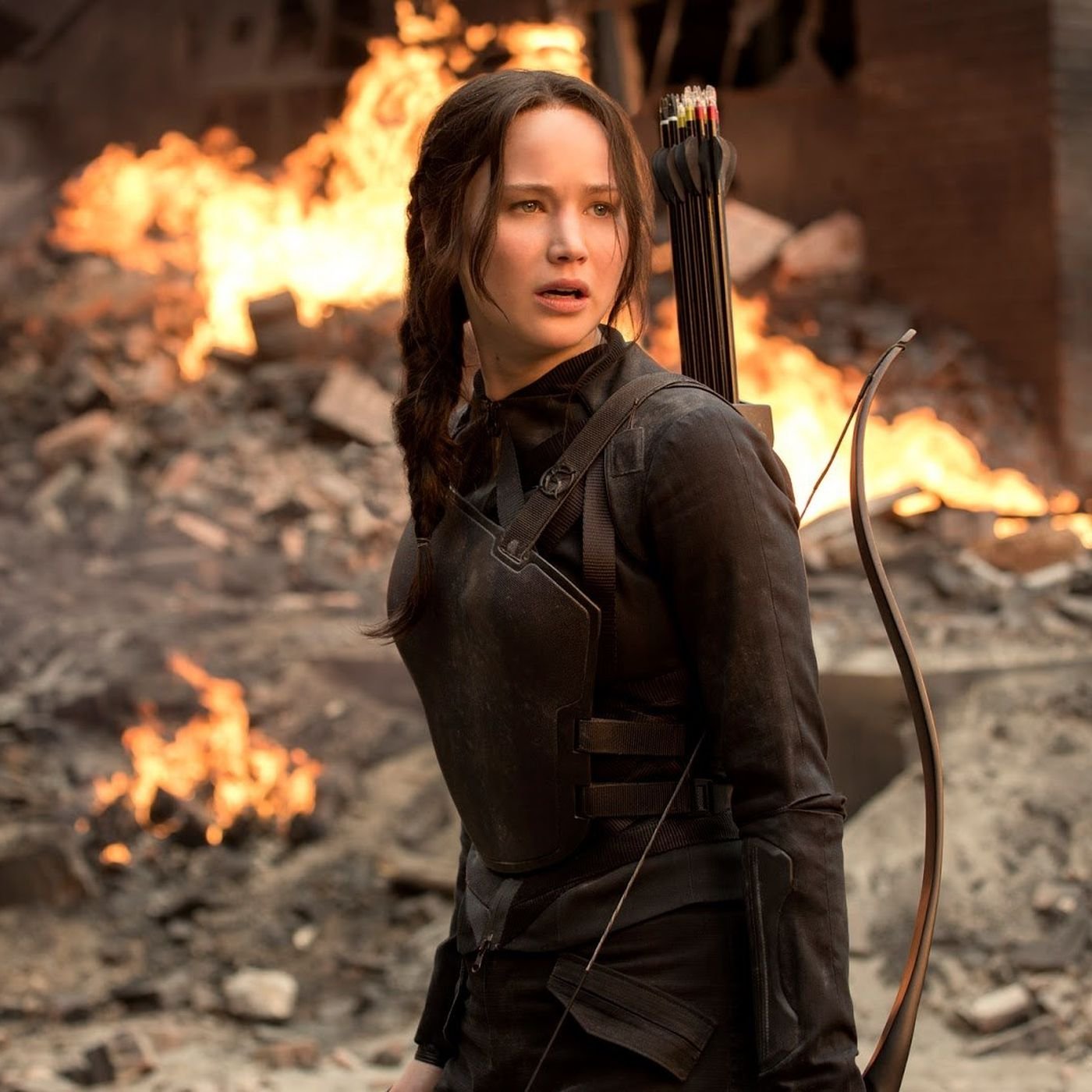
My proposal delves into the elements that define Collins’ literary style. Firstly, I noticed how deftly she crafts strong female protagonists who resonate with readers of all ages. Katniss Everdeen, for instance, personifies resilience, which is a central theme in much of her work. Through her characters, Collins explores societal issues, pushing readers to engage critically with themes such as power dynamics and survival.
Introduction to The Hunger Games

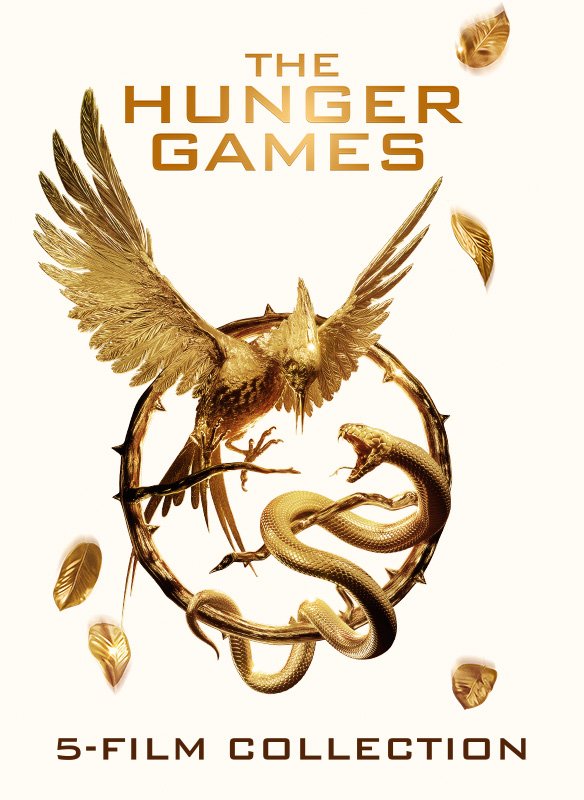
Suzanne Collins’ The Hunger Games series has captivated millions since its debut in 2008. This dystopian saga not only highlights the harsh realities of survival against the odds but also engages readers with its profound themes of power and sacrifice. At its core, Collins aims to provoke thought on societal structures, making the series both entertaining and deeply impactful.
The Inspiration Behind the Story
Suzanne Collins drew significant inspiration for The Hunger Games from both classic mythology and contemporary realities. The concept of reality television, coupled with the horrors of war, came to life as she envisioned a brutal competition where characters fight for their survival. Her own experiences as a child watching news coverage of the Iraq War influenced her portrayal of violence and moral ambiguity within the series.
Thematic Depth and Cultural Critique
The themes explored in The Hunger Games resonate on multiple levels. Collins masterfully critiques societal hierarchies, using the setting of Panem to reflect contemporary issues related to class disparity, consumerism, and governmental power. This depth in storytelling not only entertains readers but also encourages critical reflection on the world they inhabit. As readers accompany Katniss Everdeen on her journey, they are compelled to consider their values and the systems around them.
In conclusion, Suzanne Collins’ The Hunger Games series stands out not merely as a tale of survival, but as a significant commentary on society. Through compelling characters and intricate plots, Collins invites us to question the nature of humanity and the structures that govern our lives.
My work

work

Interviews

Buy
Looking Forward: My Aspirations for Future Works
As I reflect on my journey as a storyteller, I am propelled by a plethora of aspirations for future writing projects. The literary landscape is an ever-evolving realm, and my mission is to continue pushing the boundaries of storytelling, exploring uncharted themes that resonate with both contemporary and future audiences. I am particularly enthusiastic about delving into narratives that highlight vital societal issues, examining the intricacies of human relationships, and fostering a deeper understanding of diverse perspectives. These themes not only challenge conventional storytelling but also encourage readers to engage critically with the world around them.
Moreover, one of my key objectives is to leverage my platform to promote literacy and creativity among young readers. I believe that storytelling is a powerful tool for education, allowing individuals to explore different cultures, ethical dilemmas, and emotional landscapes. To this end, I aim to develop initiatives that inspire a new generation of writers, encouraging their creative expressions through workshops, mentorship, and collaboration. Engaging with readers and aspiring authors is essential to my vision of nurturing a vibrant literary community where voices can get amplified.
In my upcoming works, I plan to experiment with different genres and formats, combining elements of traditional storytelling with innovative techniques. This exploration will not only keep my writing fresh but also expand the possibilities of what narratives can achieve. I envision creating stories that challenge readers while also inviting them to embark on a journey of self-discovery and reflection. For me, storytelling is not just about entertaining; it is an avenue for growth and connection, where the importance of empathy and understanding can flourish amid diversity.
Pricing
Cancel or pause anytime.
Free
0€
- Get access to our paid articles and weekly newsletter.
- Join our IRL events.
- Get a free tote bag.
- An elegant addition of home décor collection.
- Join our forums.
Single
20€/month
- Get access to our paid articles and weekly newsletter.
- Join our IRL events.
- Get a free tote bag.
- An elegant addition of home décor collection.
- Join our forums.